 EN
EN
What filter matching rule for dust proof cabinet cooling fan operating in cement factories
2026/09/30
Cement cabinets choke on dust. Learn the filter rule for an industrial cabinet cooling fan: G4/F7 media, IP rating, and pre-filter care.

2026/09/19
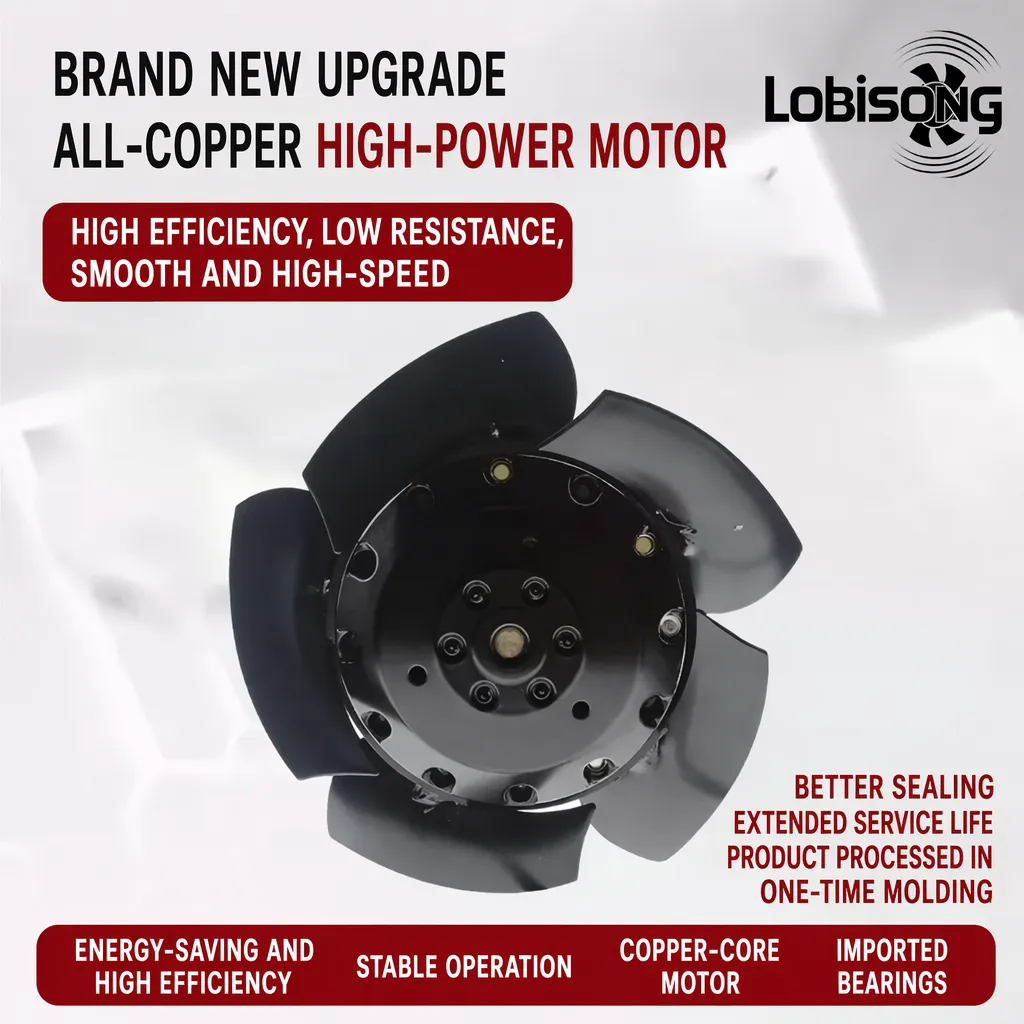
Industrial finishing lines face a persistent threat from weak acid mist, and choosing the right plastic centrifugal blower decides whether extraction survives for years or fails within months. This guide explains the corrosion mechanism, the advantage of polypropylene, and a real plating workshop case where polymer housing ended a repeat-replacement cycle.
Weak acid mist forms in many finishing and chemical processes when vaporized solutions condense on cooler surfaces. A plastic centrifugal blower with a polypropylene housing avoids the metal-loss pathway that destroys steel and aluminum wheels. Acid droplets create a thin electrolyte film, and dissimilar metals trigger galvanic cells that drive electron flow. Carbon steel loses mass through uniform etching, while aluminum suffers pitting that weakens structure long before visible holes appear.
Electroplating baths release hydrogen chloride, sulfuric acid mist, and chromic acid aerosols during rinsing and agitation. These plumes travel with airflow and coat fan housings, ducts, and impellers. Conventional coated steel resists for a short period, then coating blisters and under-film corrosion starts. The failure is silent: performance drops as the wheel unbalances, raising vibration and noise that operators notice only after damage spreads. OSHA 29 CFR 1910.94 sets ventilation expectations for such exposures, making reliable extraction a compliance matter. NFPA 91 further addresses exhaust systems conveying corrosive vapors, gases, and mists.
Polypropylene is a semi-crystalline thermoplastic whose carbon-hydrogen backbone is inert to most weak acids at ambient temperature. Unlike steel, it has no metallic ions to dissolve, so the material keeps wall thickness and surface smoothness over years of service. This chemical resistance is why a PP-bodied unit stays dimensionally stable where acid mist is continuous. The impeller and housing share the same polymer, eliminating crevices where two metals would meet and corrode. A plastic centrifugal blower built this way removes the electrochemical driver instead of only slowing it, which is the core reason metal alternatives keep failing in identical duty.
Stainless steel 304 resists many acids but pits in chloride and chromic mist; 316 improves resistance yet adds cost and still faces edge attack. Galvanized steel fails fast once the zinc layer is consumed. A coated metal shell only delays failure until the coating is scratched by maintenance or debris. Polypropylene avoids this race entirely. A plastic centrifugal blower with a PP shell therefore protects the largest exposed area directly. Aluminum or bronze wheels offer non-sparking duty, yet the housing remains the first surface acid touches, so PP protection at the shell delivers the largest gain for continuous mist service.
A surface-treatment workshop operating nickel and zinc plating lines ran coated-carbon-steel exhaust fans above the rinse tanks. Within roughly eighteen months, housing walls thinned, fasteners seized, and one wheel cracked from pitting. Downtime for replacement disrupted the plating schedule, and acid odor returned to the floor when fans slowed. The team needed extraction that survives continuous weak-acid aerosol without teardown. Repeat labor and lost production outweighed the coated steel saving, and corrosion recurred at the same seams. A plastic centrifugal blower was proposed after the third shutdown.
The line was refitted with polypropylene-housed centrifugal units and pure-copper motors rated for the duty, with precision ball bearings and IP54 ingress protection at the terminal box. After the change, housing integrity held through subsequent inspection cycles, and the earlier thinning stopped. Air performance was verified against AMCA 210 and ISO 5801 methods, while rotor balance followed ISO 1940 grades. Floor odor complaints dropped, and planned maintenance shifted from emergency replacement to routine checks. The plastic centrifugal blower now runs through the same mist that destroyed metal wheels, confirming the polymer approach ends the repeat-replacement cycle.
Specify a polypropylene housing rated for the specific acid concentration and temperature, not a generic acid-resistant label. Confirm impeller material compatibility, IP rating to IEC 60529, and motor class to IEC 60034. Request air-performance data per AMCA 210 and ISO 5801 and balance certificates per ISO 1940. When sourcing a plastic centrifugal blower, request the acid-compatibility chart from the supplier and match it to the bath chemistry on site. On arrival, inspect the shell for uniform wall thickness, clean weld-free seams, and secure access covers. CE and UKCA markings apply to the factory's product lines for EU and UK markets, and RoHS and REACH compliance supports material traceability through the supply chain.
Run the fan within the tested airflow and temperature envelope, and avoid solids that abrade the polymer. Check the inlet for mist buildup, verify bearing temperature, and listen for changing tone that signals imbalance. NFPA 91 covers exhaust systems conveying vapors, gases, and mists, so duct cleaning and access points matter for safety. Where flammable solvents join acid mist, consider ATEX 2014/34/EU equipment and non-sparking wheels. Schedule external washing of the shell, keep spare seals on hand, and review performance annually against the original AMCA and ISO baseline to catch any drift early before it affects extraction efficiency.
Selecting the right plastic centrifugal blower means matching polypropylene chemical resistance to the actual acid mist profile, then verifying performance with AMCA and ISO standards and maintaining the unit on a predictable schedule. The plating case shows that removing the metal-loss pathway ends the repeat-replacement cycle. Procurement teams gain a durable, compliant extraction solution by specifying polymer housing, confirming certifications, and planning inspection from day one. Centrifugal airflow design keeps pressure stable across long duct runs typical of plating halls, so the system sustains capture at the tank even as filters load.
What material properties make polypropylene suitable for acid mist extraction?
Answer: Polypropylene is a semi-crystalline thermoplastic with a stable carbon-hydrogen backbone that does not dissolve in weak acids. It keeps wall thickness and surface smoothness where steel etches and aluminum pits. Because the housing and impeller can share the same polymer, crevices between dissimilar metals disappear, removing the site where galvanic corrosion starts. Chemical resistance stays consistent across years of continuous mist exposure, which is why polymer shells outlast coated metal in plating and finishing lines that run acid rinses daily.
Why does weak acid mist accelerate metal fan failure?
Answer: Acid mist condenses into a thin electrolyte film on cool metal surfaces, creating galvanic cells between dissimilar metals or coating edges. Carbon steel etches uniformly while aluminum develops pits that weaken structure before holes form. Coated steel only delays the process until the film blisters. Because the electrolyte persists during idle periods, corrosion continues without operation. Removing the metal surface through polypropylene housing ends this electrochemical driver and stops the repeat-loss cycle seen in plating exhaust duty across many facilities.
How is a corrosion-resistant fan maintained in a plating line?
Answer: A plastic centrifugal blower needs less intrusive care than metal units. Inspect the inlet for mist buildup, check bearing temperature, and note any change in tone that signals imbalance. Wash the shell to remove deposited salts, keep spare seals available, and review airflow annually against the AMCA 210 and ISO 5801 baseline. Precision ball bearings and pure-copper motors share the same plan. Document each visit so drift from certified performance is caught early.
Can polypropylene fans meet electrical safety and IP standards?
Answer: Polypropylene addresses the housing, not the motor, so electrical safety depends on the driven unit. Motors and terminal boxes follow IEC 60034 for rotating machines and IEC 60529 for IP ratings such as IP54. Factory product lines carry CE and UKCA markings for EU and UK markets, with RoHS and REACH material compliance. Air performance is verified per AMCA 210 and ISO 5801, and rotor balance per ISO 1940. Specifiers should request the relevant certificates rather than assume coverage for every duty.
Do plating workshops need explosion-protected fan options?
Answer: Many plating lines use only acid mist and need corrosion resistance rather than explosion protection. Where flammable solvents or hydrogen gas join the airstream, the risk changes and ATEX 2014/34/EU equipment with non-sparking aluminum or bronze wheels becomes relevant. NFPA 91 guides exhaust systems conveying vapors, gases, and mists. The right choice depends on a documented hazard assessment of the specific bath chemistry and adjacent processes, not on a generic rule for all electroplating facilities handling different solutions.

2026/09/30
Cement cabinets choke on dust. Learn the filter rule for an industrial cabinet cooling fan: G4/F7 media, IP rating, and pre-filter care.

2026/10/07
Right wall-mount height for an industrial axial exhaust fan: room volume, free clearance, brackets, and recirculation control.

2026/10/08
An ec motor fan links to BMS via Modbus, 0-10V and PWM for demand-based cooling, energy scheduling and automatic sensor-driven speed control.

2026/10/06
A radial exhaust fan removes grease, fumes, and odors from food-processing workshops with capture velocity and hygienic washdown design.

2026/10/05
Learn antistatic treatment for industrial cabinet cooling fan in electronics workshops—ESD-safe housing, ionizable plastics, and cleanroom compatibility.

2026/10/04
Discover how a brushless dc servo delivers precise wind speed control for laboratory cooling fans with closed-loop PID feedback and laminar airflow.
