 EN
EN
What filter matching rule for dust proof cabinet cooling fan operating in cement factories
2026/09/30
Cement cabinets choke on dust. Learn the filter rule for an industrial cabinet cooling fan: G4/F7 media, IP rating, and pre-filter care.

2026/09/19
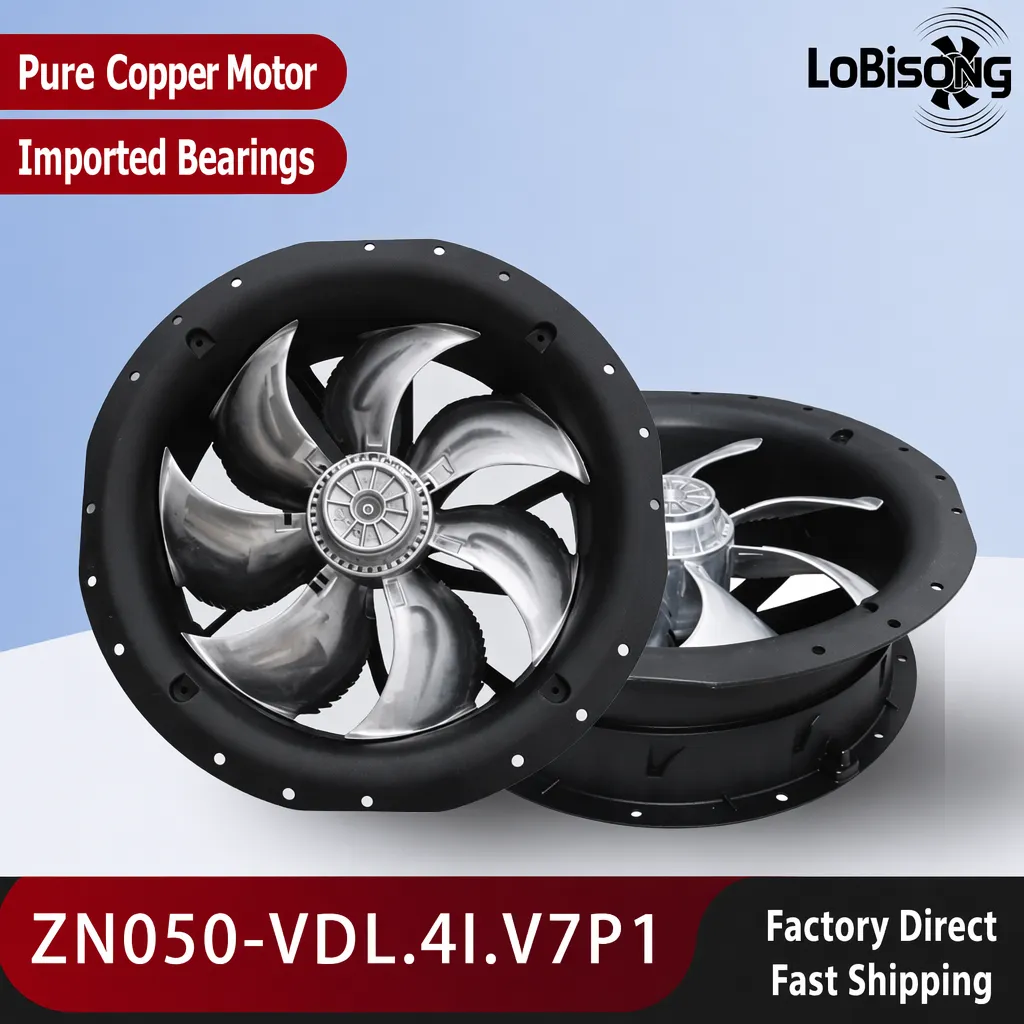
An electrical control room concentrates breakers, drives, and relay panels that shed heat continuously, so a cabinet fan for electronics is the standard way to keep air moving without opening the enclosure. But the wrong plastic housing can turn a small arc fault into a spreading fire. This guide looks at material choices that slow ignition and limit smoke where people and machinery share the same space, and explains how rating labels map to real room safety. Specifiers who skip the housing grade usually discover the gap only after an incident, when replacement is urgent and the field of options narrows to whatever ships fastest.
Control rooms pack densely wired cabinets where loose connections, overloaded VFDs, and dust buildup create real ignition sources. A cabinet fan for electronics pulls air through filters and over hot components, so its housing and impeller sit close to the very parts that may arc or overheat. If that plastic is ordinary ABS, a single fault can ignite the shroud and carry flame into the cable tray above. NFPA 70E and OSHA 29 CFR 1910.303 expect electrical spaces to limit fire spread, which makes material rating a selection criterion rather than an afterthought.flame retardant fan, electrical control room, UL94 rating, cabinet ventilation
When filters clog, static pressure rises and the fan works harder, raising winding temperature and the chance of a thermal event. Poor thermal management lets heat soak into nearby cables and relays. Dust-laden industrial air also deposits an insulating film on the impeller, unbalancing the wheel and increasing bearing load. Selecting a cabinet fan for electronics means pairing the rating with steady filter care, because a rated shroud only helps while airflow stays clean and the motor stays cool. A simple pressure switch or visual filter gauge catches the problem before the winding overheats. That is why airflow monitoring belongs alongside the temperature alarm, not as a separate task owned by nobody on the shift.flame retardant fan, electrical control room, UL94 rating, cabinet ventilation
UL94 measures how a plastic sample burns, classifying it V-2, V-1, V-0, or 5VB by drip and extinction time; V-0 is the common target for enclosures. EN 13501 grades building and equipment materials from A1 down to F, and a flame retardant housing near class E or better suits most control rooms. Lobisong specifies pure-copper motor windings and flame-retardant housings on VFD cabinet filter fans so the air-moving part survives a nearby fault without feeding the flame front. The same logic applies to EC and DC models where the drive electronics sit inside the hub. Field crews should keep the certificate on file and confirm the exact grade stamped on the part, since a look-alike housing may carry a lower class than the one on the data sheet.
NFPA 70 and NFPA 72 address wiring methods and alarm linkage, while OSHA ventilation rules push facilities to control heat and contaminants in worker-accessible rooms. A fire-safe ventilation design pairs a rated fan with sealed conduit and smoke detection. A cabinet fan for electronics specified to NFPA-aligned practice should arrive with test evidence, not a vague "flame resistant" label, because EN 13501 and UL94 results come from lab methods rather than marketing language.
Glass-filled polycarbonate with a halogen-free additive gives a light, corrosion-proof shroud that meets V-0 and resists the chemicals found in some plants. Sheet metal is non-combustible in the A1 sense yet heavier, needs coating, and can short if a fastener loosens. For an electrical control room with washdown or humidity, a cabinet fan for electronics built with rated plastic and IP54 sealing often beats bare steel, while the impeller itself may stay metal for balance and long life. Where steel is chosen, isolate every fastener with a non-conductive washer so a vibration-loosened screw cannot bridge to a live terminal. Polycarbonate also dampens vibration hum, a secondary win in rooms where staff work beside the panels for long shifts and noise becomes a comfort issue.
Burning halogenated plastic releases acid smoke that corrodes electronics and harms anyone breathing it, so halogen-free, low-smoke grades protect both equipment and personnel during egress. EN 13501 smoke classes s1, s2, s3 and toxicity d0, d1, d2 help compare options. A cabinet fan for electronics rated low-smoke is worth the small premium in occupied control rooms where a ten-minute evacuation window matters more than shaving purchase cost on the enclosure.flame retardant fan, electrical control room, UL94 rating, cabinet ventilation
A regional water plant ran pump VFDs in a cramped electrical control room that tripped on heat every summer. The original fans used untreated plastic shrouds, and an arc flash had once charred a unit. The facility replaced them with Lobisong VFD cabinet filter fans carrying flame retardant, UL94 V-0 housings and pure-copper motors, plus IP54 filters. Two cooling seasons later, no thermal trips occurred and the housings showed no creep or cracking under continuous load, confirming the material choice paid off against the earlier fire risk. The maintenance lead also reported quieter operation and easier cleaning, since the smooth rated surface shed dust instead of holding it. The plant later extended the same specification to two sister sites, standardizing spare parts and the maintenance routine across the whole fleet of control rooms.
Buyers should request the UL94 or EN 13501 test report, confirm halogen-free status for occupied rooms, and verify the IP rating against the environment. On site, inspect the impeller for dust, check filter pressure, and log winding temperature trends. A cabinet fan for electronics earns its rating only with clean airflow and periodic torque checks on the mounting, so fold the fan into the room's fire safety and maintenance plan rather than treating it as a throwaway part.
What UL94 rating is recommended for control-room fan housings?
Answer: UL94 V-0 is the practical minimum for a cabinet fan for electronics installed near live breakers, because it limits burn time and prevents flaming drips that could ignite cable trays. V-2 may pass for low-risk spots, but control rooms justify the stricter grade. Always request the test report and match the rating to the enclosure's heat load and the dust level in the room.
How does EN 13501 differ from UL94 for fan materials?
Answer: EN 13501 grades the whole material for building and equipment use, adding smoke and toxicity classes that UL94 does not score. UL94 focuses on how a test coupon burns and drips. For control-room fans, check both: a V-0 plastic that still smokes heavily may fail an EN 13501 low-smoke expectation, so compare the s- and d-classes before approving the part for an occupied space.
Why choose halogen-free plastic for control-room ventilation?
Answer: Halogen-free grades avoid the acid smoke that corrodes electronics and endangers anyone evacuating. During a fault, ordinary PVC or brominated plastic can release gases that disable equipment for good even after the fire is out. Low-smoke, halogen-free housings protect the room's relays and the people in it, which is why occupied electrical spaces increasingly specify s1 smoke and d0 toxicity classes alongside the flame rating.
Can sheet metal replace a flame-retardant plastic fan?
Answer: Sheet metal is non-combustible and meets the A1 class, yet it is heavier, needs protective coating, and a loose fastener can short against a busbar. A flame-retardant plastic shroud with IP54 sealing resists corrosion in humid rooms and avoids that risk. The right choice depends on the environment: washdown areas favor rated plastic, while dry, impact-prone spots may suit coated steel with proper isolation.
How often should control-room fans be inspected for fire safety?
Answer: Inspect filters and impellers every three months, and log winding temperature at each service. Clogged filters raise static pressure and heat, the main path to a thermal event, so a clean-air plan protects the housing rating. Pair the fan check with the room's smoke-detector test and tighten mounts to spec. Fold ventilation into the site's NFPA-aligned fire plan rather than treating the unit as a sealed, forgotten component.

2026/09/30
Cement cabinets choke on dust. Learn the filter rule for an industrial cabinet cooling fan: G4/F7 media, IP rating, and pre-filter care.

2026/10/07
Right wall-mount height for an industrial axial exhaust fan: room volume, free clearance, brackets, and recirculation control.

2026/10/08
An ec motor fan links to BMS via Modbus, 0-10V and PWM for demand-based cooling, energy scheduling and automatic sensor-driven speed control.

2026/10/06
A radial exhaust fan removes grease, fumes, and odors from food-processing workshops with capture velocity and hygienic washdown design.

2026/10/05
Learn antistatic treatment for industrial cabinet cooling fan in electronics workshops—ESD-safe housing, ionizable plastics, and cleanroom compatibility.

2026/10/04
Discover how a brushless dc servo delivers precise wind speed control for laboratory cooling fans with closed-loop PID feedback and laminar airflow.
