lbbe3g500138pt08-ec-backwardcurved-centrifugal-fan-for-heat-dissipation, lbbe3g500138pt08-ec-backwardcurved-centrifugal-fan-for-heat-dissipation, /ec-high-efficiency-fan
EN
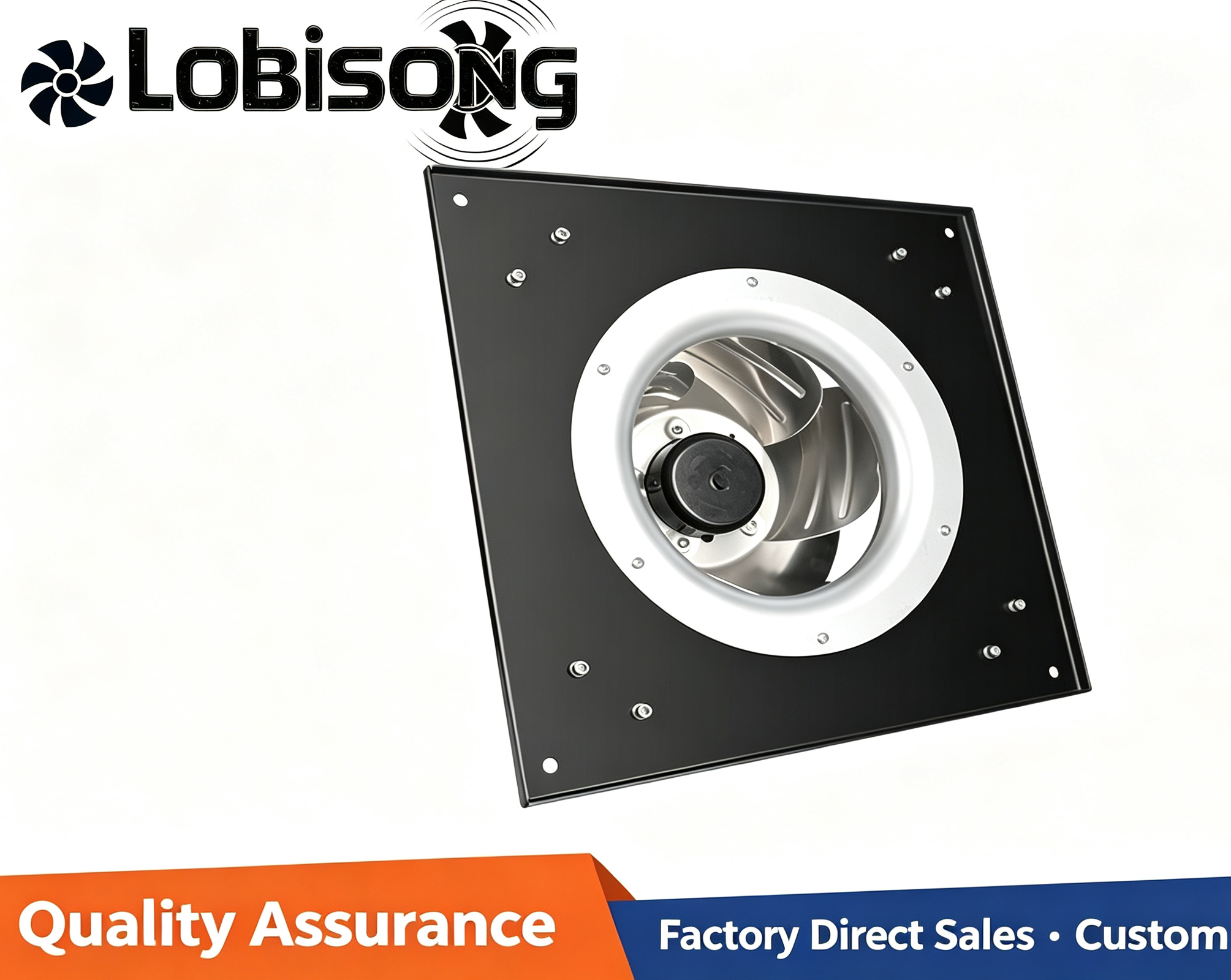
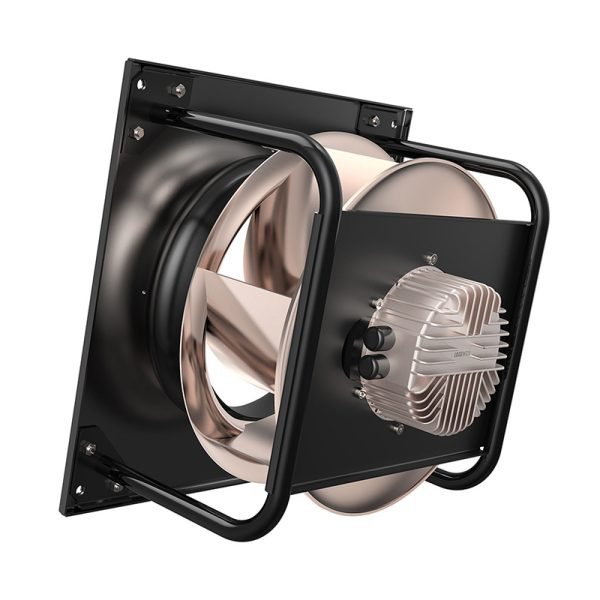
EC Motor Configuration: Handled electronically, commutation is the motor architecture behind a backward-curved fan that can be tied into an external control arrangement.
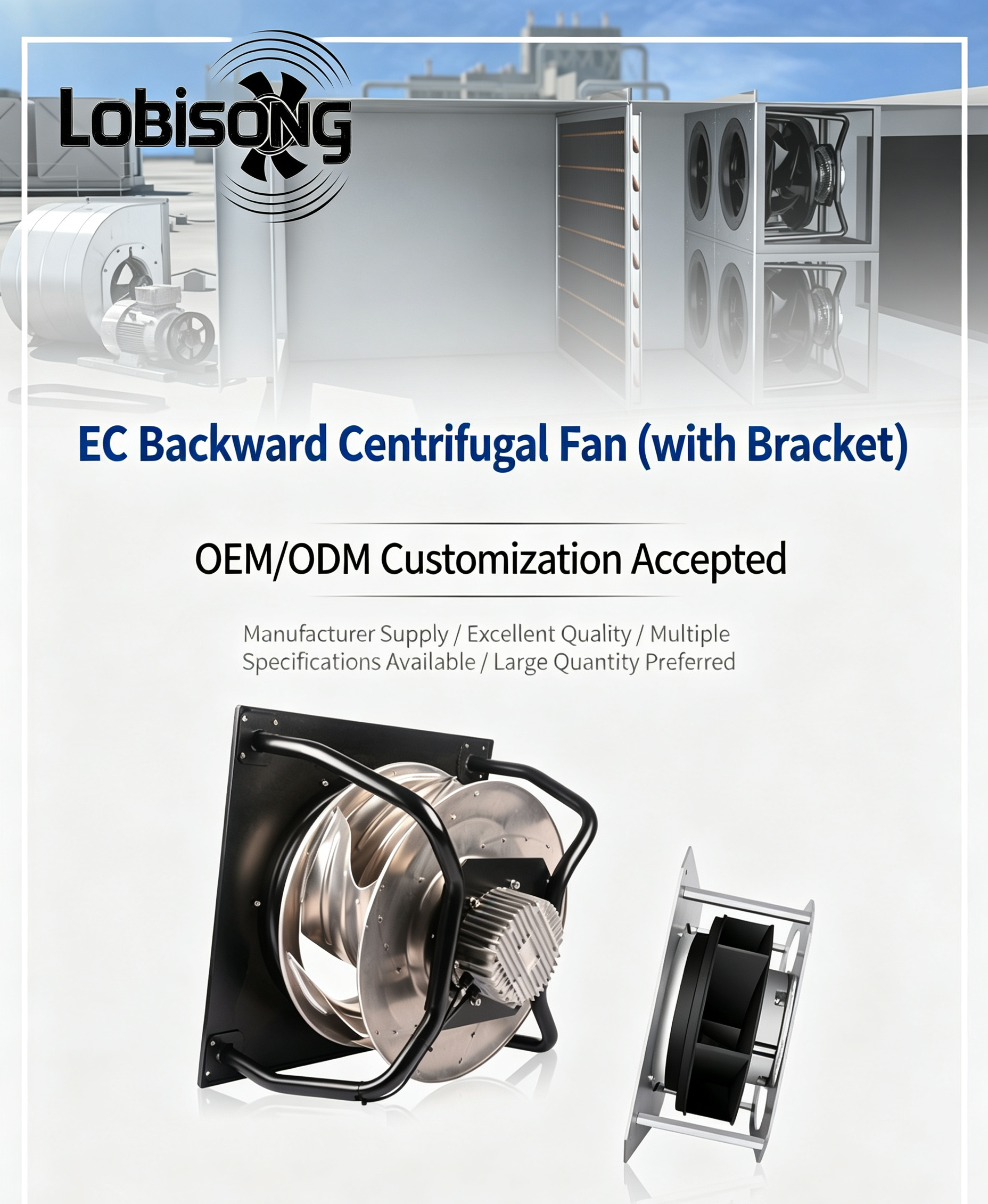
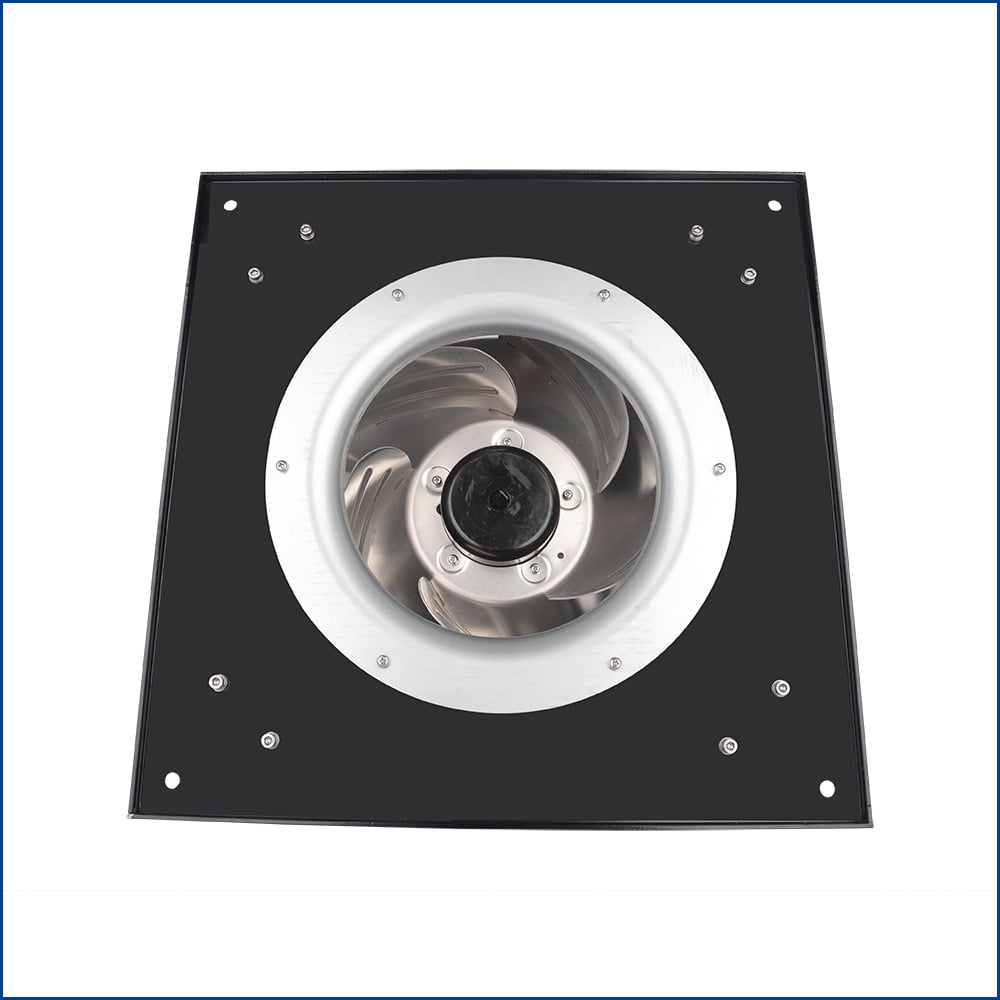
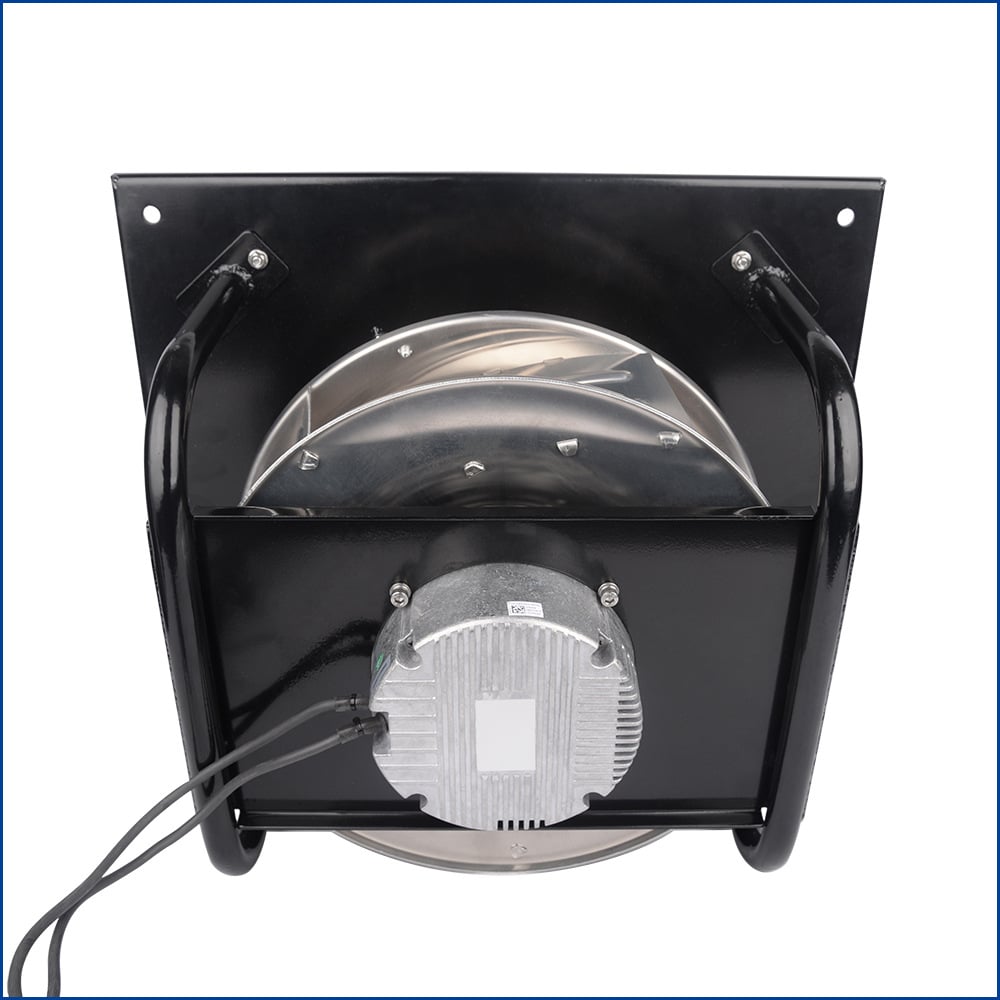
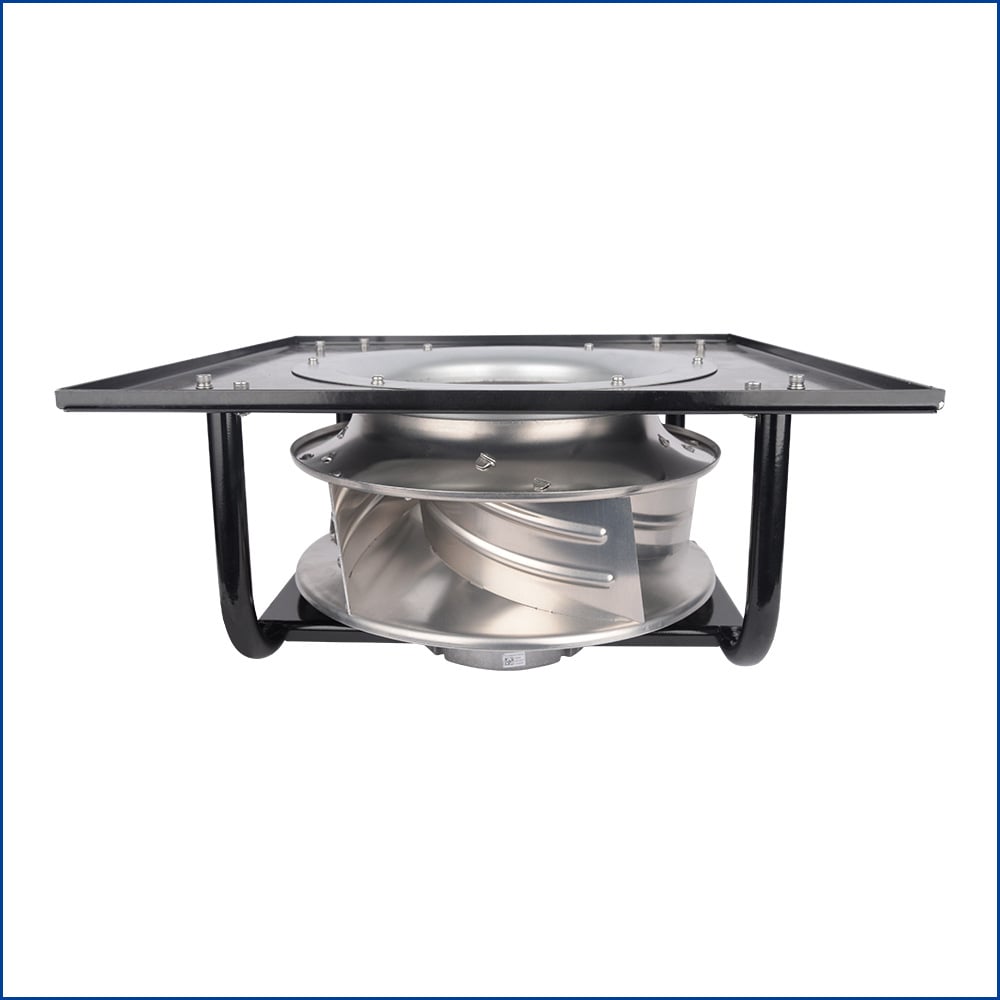
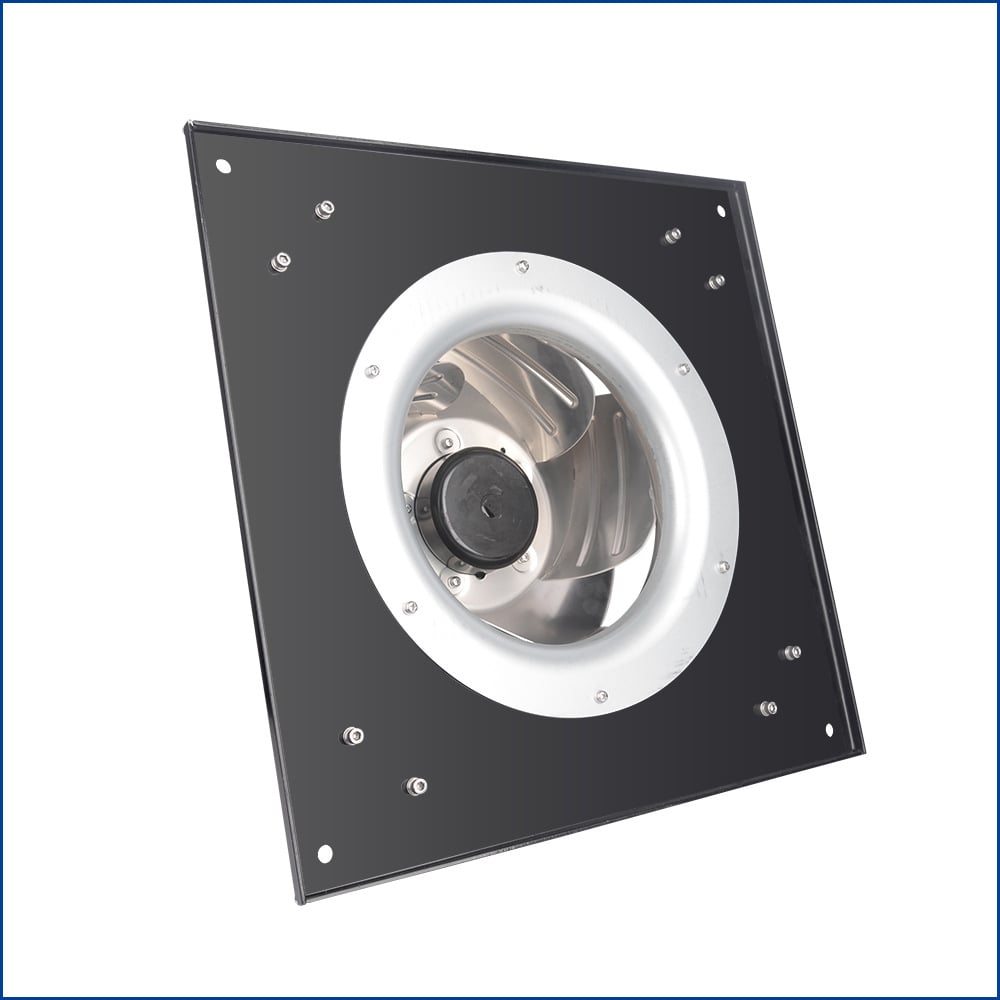
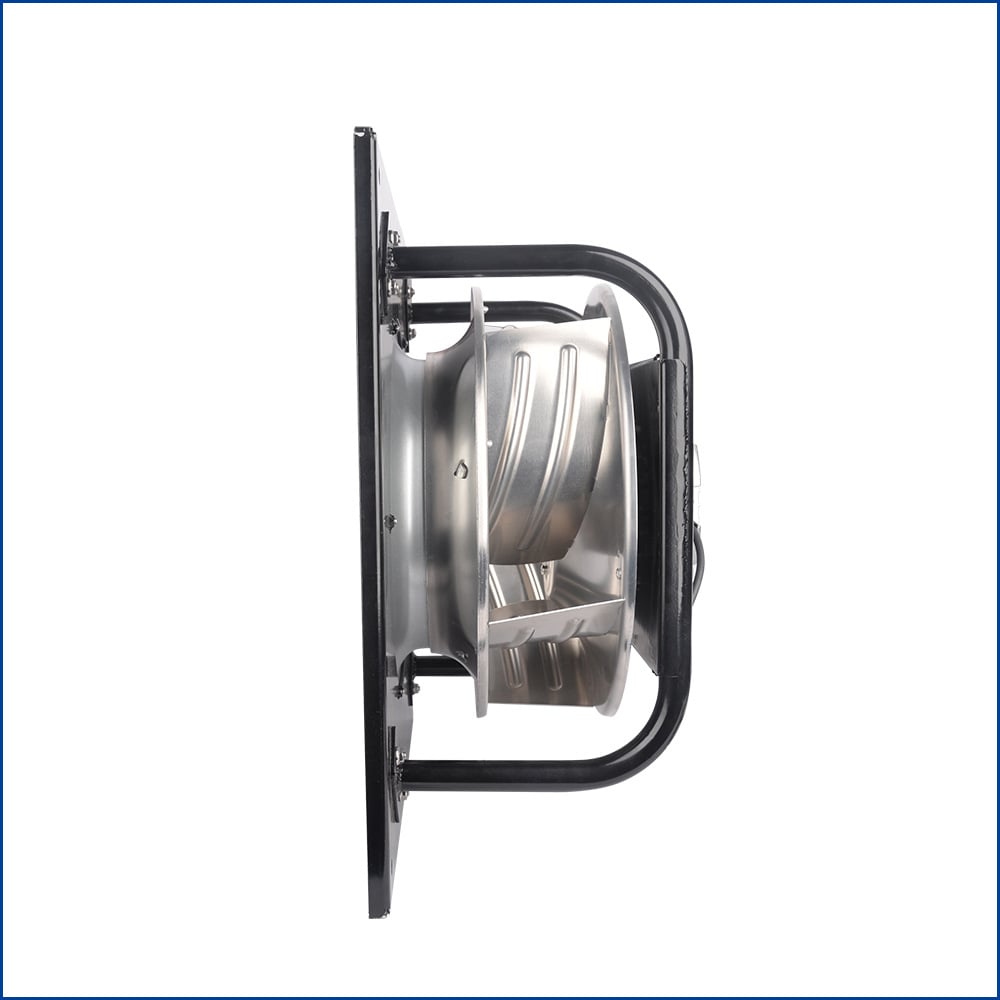
Built for heat-dissipation service in industrial and commercial equipment, the LBBE3G500-138PT-08 EC backward-curved centrifugal fan brings three elements into one assembly: an electronically commutated motor, a factory-fitted bracket, and a backward-curved impeller. Where an EC centrifugal fan comparison belongs to system planning, this model is a documented choice for enclosures that must hold airflow under control while keeping the electrical interface and fixing points compatible with the machine around them.
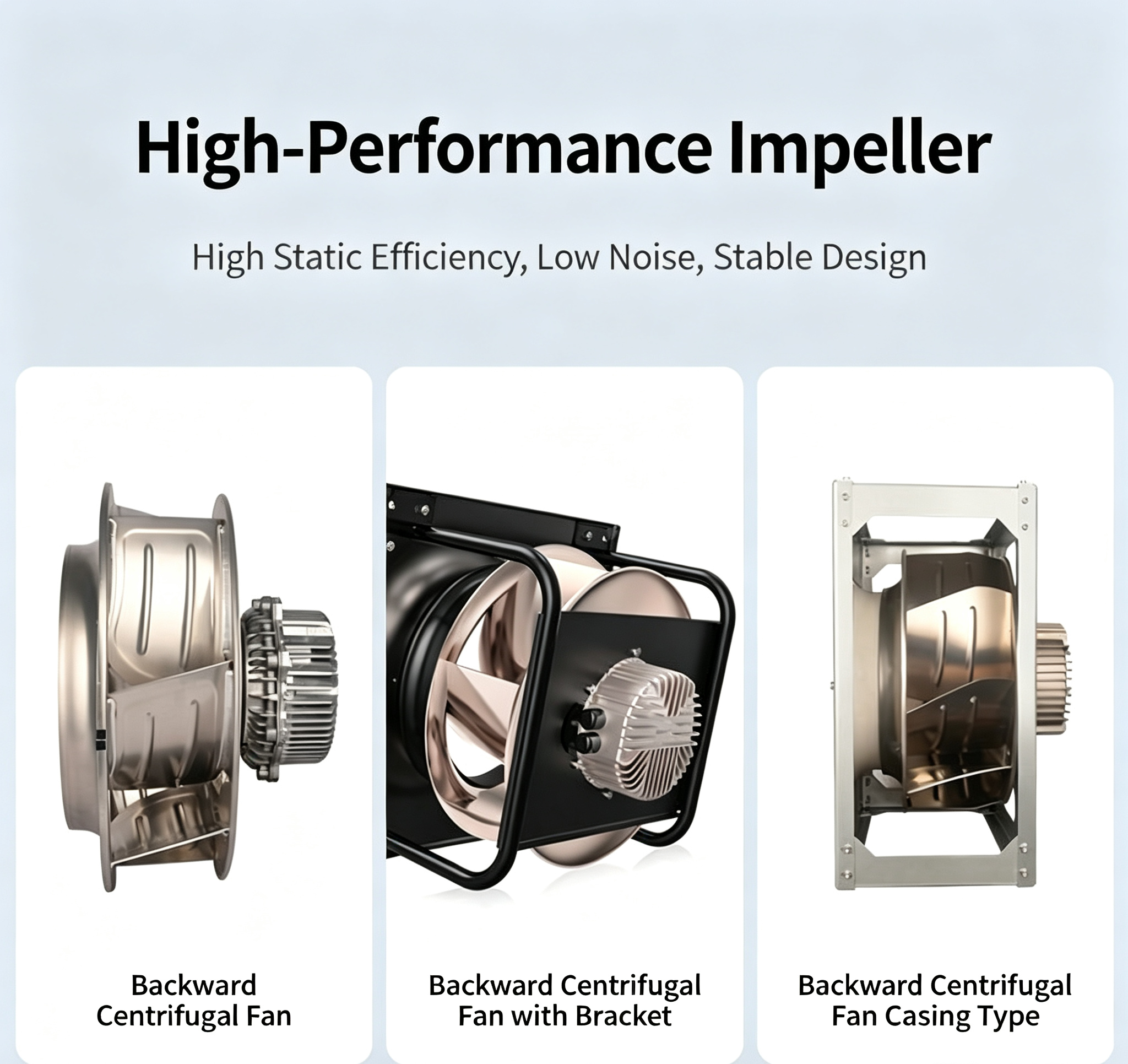
Three things shape this EC backward-curved centrifugal fan: an aluminum-alloy impeller, speed regulation from outside the fan, and a bracket built into the construction. Equipment worth weighing it against includes data-center cooling circuits, commercial HVAC assemblies, medical apparatus and machinery in which heat removal is designed in from the start. Guangdong Lebisen Fan Co., Ltd makes the model and offers configuration support. ISO, BSCI, CE, RoHS and GS are listed across the range; the documents that apply still need confirming project by project.
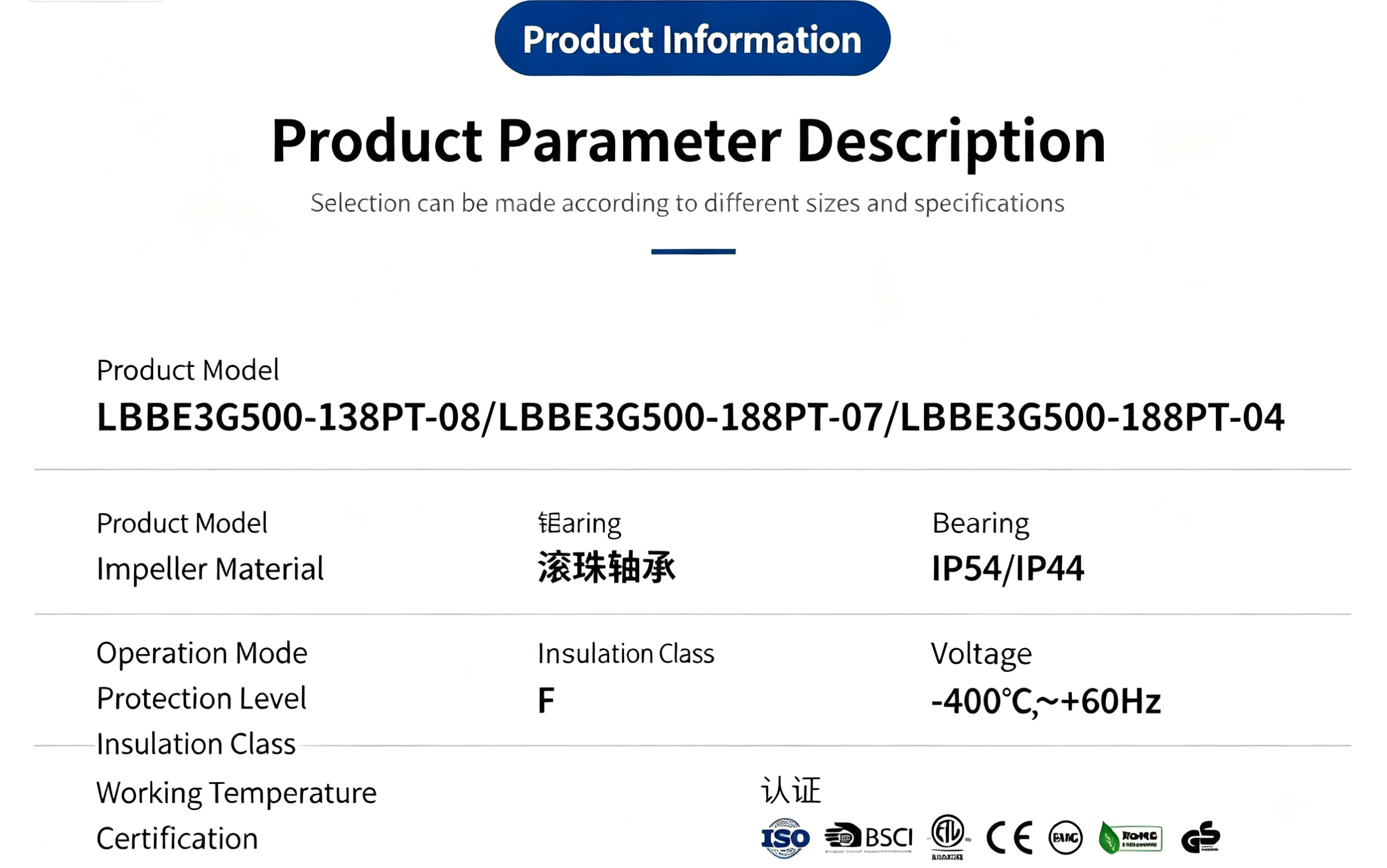
Power comes from a 400V, 50/60Hz supply, with S1 continuous duty as the given rating. Inside, the wheel is a dynamically balanced aluminum-alloy impeller on ball bearings. The design targets air movement inside equipment whose airflow path, space, mounting position and electrical connection are fixed by the wider system.
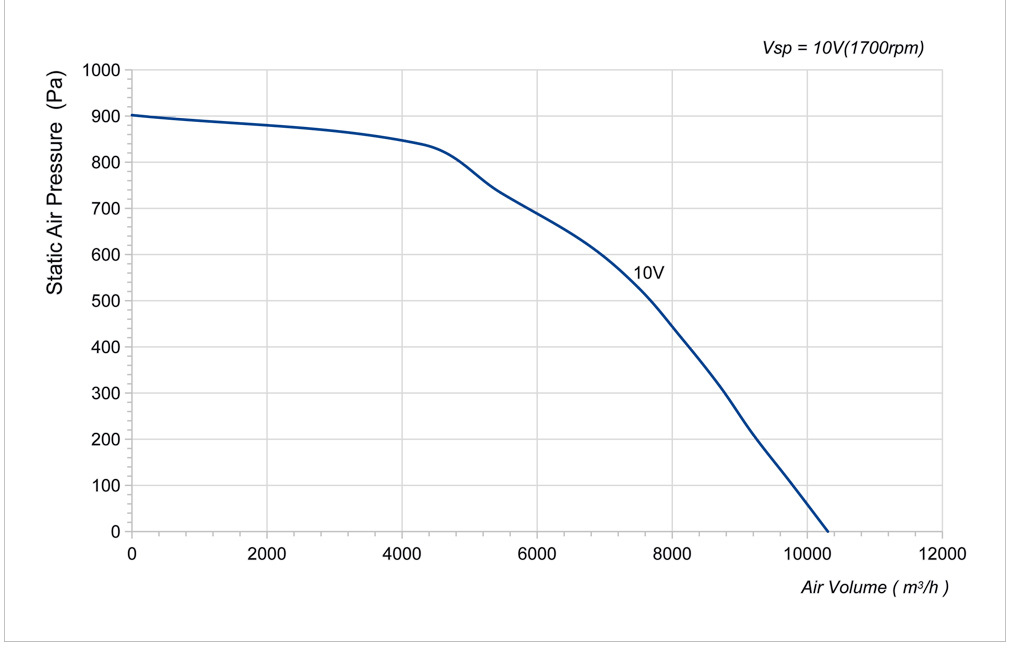
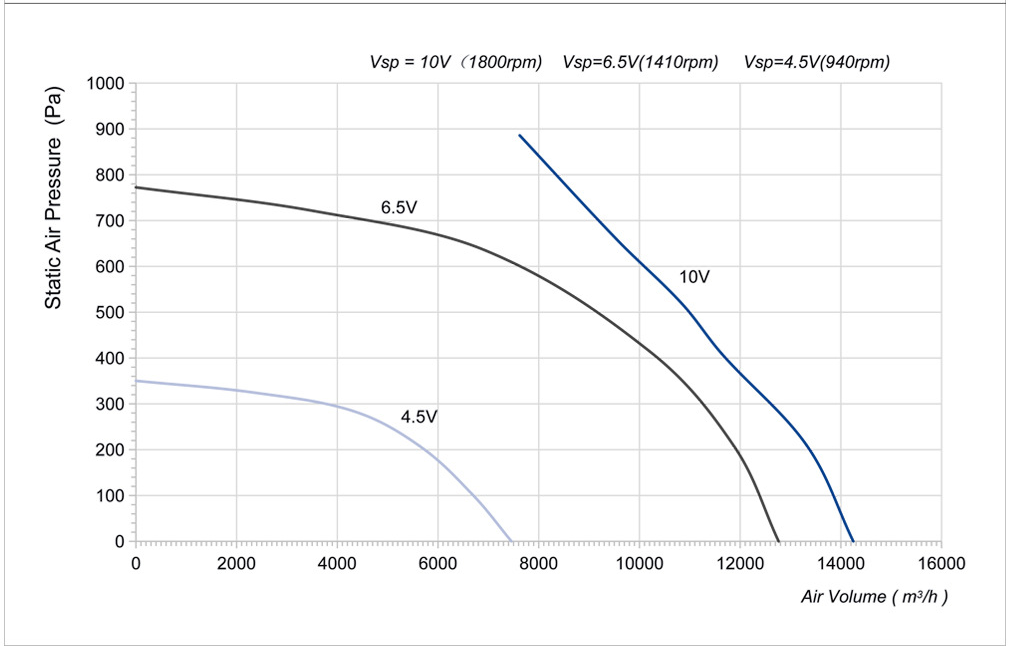
Beside a fixed-speed AC blower, the difference lies in what the EC motor arrangement permits: speed can be trimmed from the system side whenever a compatible signal is available. Within an EC centrifugal fan comparison, that freedom lets designers keep output in step with thermal demand that shifts over time. Airflow, static pressure, noise and energy figures belong to the chosen configuration and the finished installation, not to the fan alone.
Ball bearings, an S1 continuous working cycle, IP54 or IP44 protection and Class F insulation all appear in the description of this 400V centrifugal fan with bracket. The quoted working ambient range is -25℃ to +60℃. Check these against the environment, the wiring method, the way the unit is fixed, and the ingress protection the installation calls for.
EC Motor Configuration: Handled electronically, commutation is the motor architecture behind a backward-curved fan that can be tied into an external control arrangement.
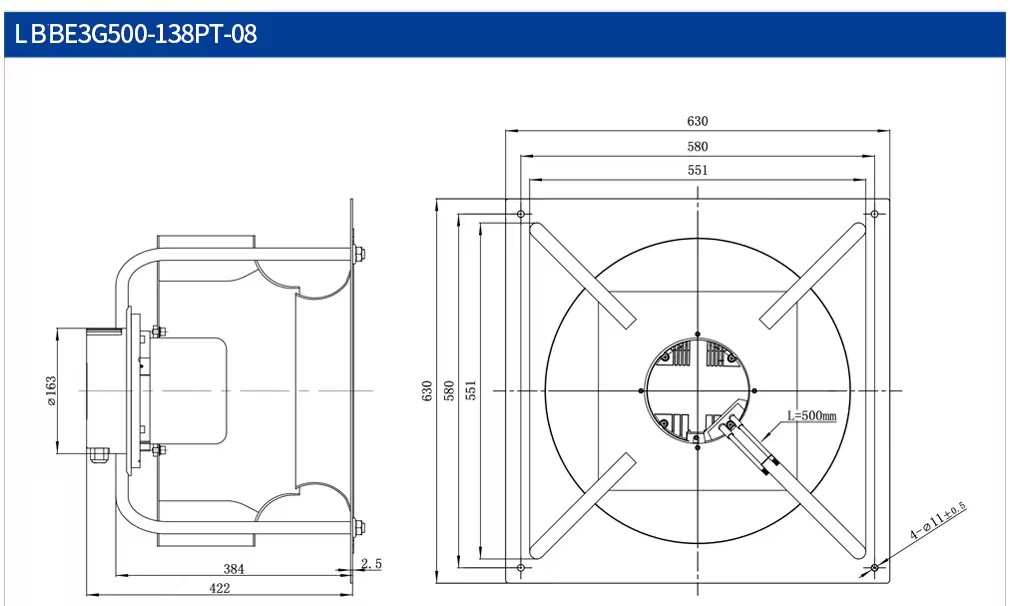
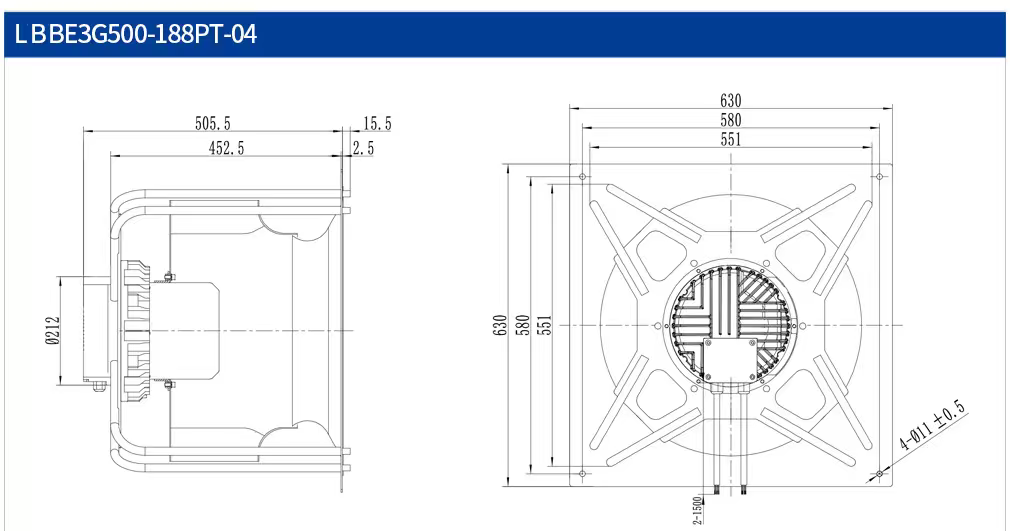
Integrated Mounting Bracket: Coming fitted rather than loose, the bracket gives installers a fixed reference point when the unit is set into equipment housings and similar assemblies.
Aluminum-Alloy Impeller: The backward-curved wheel is an aluminum-alloy part, one of the moving elements in the air path of the centrifugal fan.
S1 Continuous Duty: S1 marks this centrifugal fan configuration out for duty that runs without interruption inside the stated limits.
Protection and Insulation: Where the configuration calls for it, IP54 or IP44 sealing and Class F insulation are the ratings on offer.
Application Configuration Support: Wiring, fixing and voltage questions are best settled against the project drawing and the conditions the system runs under.


| Item | Specification Details |
|---|---|
| Product Model | LWBE3G500-138PT-08 / LWBE3G500-188PT-07 / LWBE3G500-188PT-04 |
| Product Type | EC Backward-curved Centrifugal Fan (With Bracket) |
| Impeller Material | High-Grade Aluminum Alloy |
| Bearing System | Heavy-Duty Ball Bearing |
| Operation Mode | S1 (Continuous Duty) |
| Ingress Protection | IP54 / IP44 |
| Insulation Class | Class F |
| Operating Temperature | -25℃ ~ +60℃ |
| Rated Voltage | 400V, 50/60Hz |
| Certificates | ISO, BSCI, CE, RoHS, GS etc. |
Selection of a centrifugal fan starts with what the whole thermal layout demands, not with the unit alone. Set a conventional AC blower next to an EC backward-curved centrifugal fan and two things differ: the motor architecture and the method of speed control. Teams weighing industrial cooling fan ROI should compare the duty cycle, the operating conditions, the control strategy, the airflow path and how the finished equipment will be maintained.
In mechanical terms, the ball-bearing arrangement and the aluminum-alloy impeller belong to this 400V centrifugal fan with bracket. Treat them alongside mounting stiffness, running clearance and the enclosing structure. What backward-curved fan efficiency finally reaches follows from the operating point chosen, duct resistance, filters, grilles and any other connected parts.
Two boundaries matter during application review: Class F insulation and the -25℃ to +60℃ ambient range quoted; IP54 or IP44 protection likewise has to match what the installation will be exposed to. An EC backward-curved centrifugal fan specified correctly can be one part of a thermal-management solution, yet control compatibility, electrical safeguards, service access and running performance stay with the design of the complete system.
Equipment that calls for managed air movement is where the LBBE3G500-138PT-08 EC backward-curved centrifugal fan can be considered. Whether HVACR fan integration capabilities work out in practice hinges on confirming the mechanical, electrical and airflow interfaces of that installation.
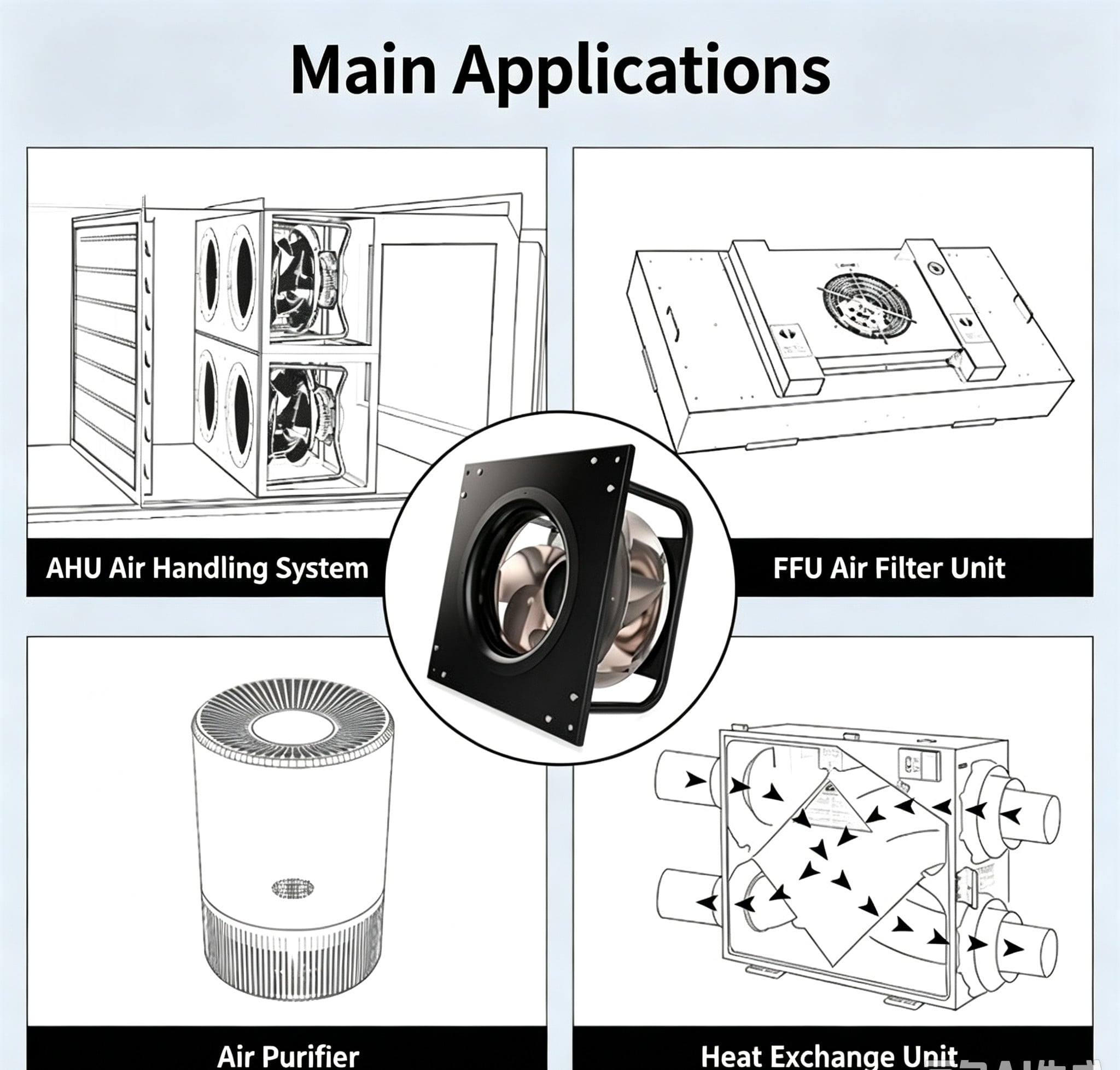
Ventilation & Air-Conditioning: A fit for air-handling equipment once the airflow distribution and control method have been set by the system design.
Data-Center Cooling: Worth evaluating for cooling systems serving equipment and rack support, where managed airflow passes through defined thermal zones.
Refrigeration Cabinets: Usable in refrigeration equipment provided the fan configuration suits the temperature and airflow conditions involved.
Medical Equipment & Cleanrooms: Assessable where air movement must be controlled, subject to the system and environmental requirements that apply.
Rail-Transit & Transportation: May serve transport-bound cooling duties, such as electrical equipment housings and climate-control assemblies specified to suit the installation.
Heating Equipment & Industrial Machinery: Machinery enclosures and heat-dissipation systems with compatible mounting and control conditions are places where this 400V centrifugal fan with bracket can be reviewed.
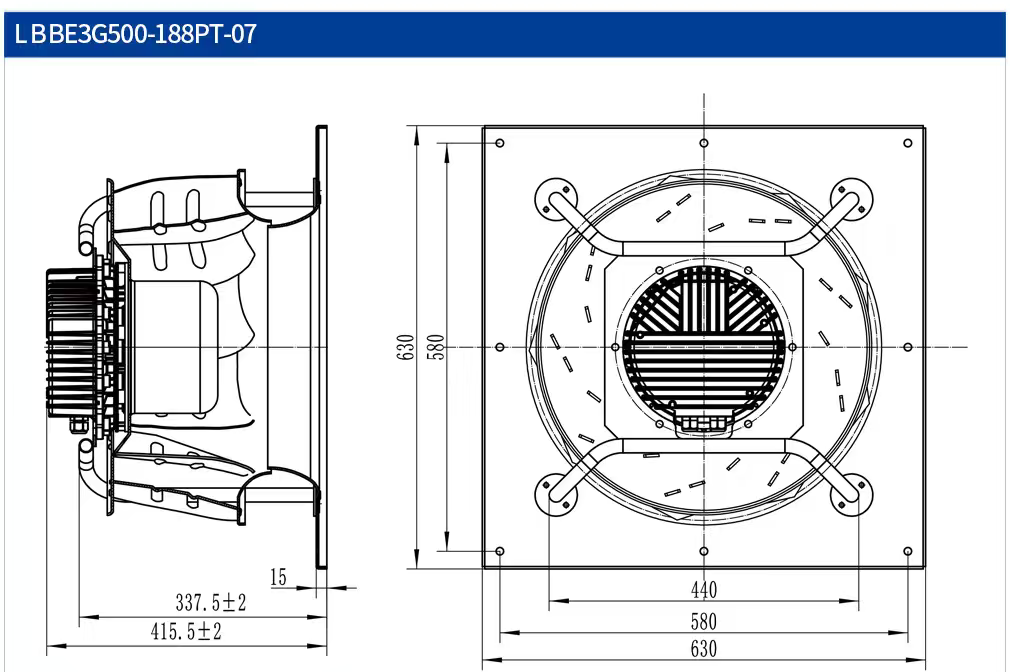

Ventilation products from Guangdong Lebisen Fan Co., Ltd are aimed at buyers who need to work through model configuration, application conditions and sourcing requirements. Selection should stay on the exact model, quantity, schedule and the technical details that count for the equipment.
In the role of 400V EC fan supplier, the manufacturer can talk through configuration against drawings and system needs. Ahead of ordering, settle the exact model, the documentation available, whether certification applies, mounting requirements, the electrical connection and any customization. That keeps the discussion tied to the application rather than to assumptions that may not hold.

Q1: What makes an EC backward-curved centrifugal fan worth choosing over an older AC fan?
A: External speed control becomes possible with an EC motor arrangement once it is paired with a compatible system. The choice comes down to the airflow required, the operating point, the electrical design and the control requirements.
Q2: What role does the integrated bracket play on the LBBE3G500-138PT-08?
A: Arriving pre-installed, the bracket acts as a defined mounting feature. Engineers should still verify enclosure dimensions, mounting points, tolerances and vibration requirements for the installation at hand.
Q3: What certifications are listed across these industrial cooling fans?
A: Across the product range, ISO, BSCI, CE, RoHS and GS are listed. Before buying, confirm which documents apply and how far the certification scope reaches for the model chosen and the market it is destined for.

EC Motor Configuration: Handled electronically, commutation is the motor architecture behind a backward-curved fan that can be tied into an external control arrangement.

 EN
EN