 EN
EN
What filter matching rule for dust proof cabinet cooling fan operating in cement factories
2026/09/30
Cement cabinets choke on dust. Learn the filter rule for an industrial cabinet cooling fan: G4/F7 media, IP rating, and pre-filter care.

2026/09/13
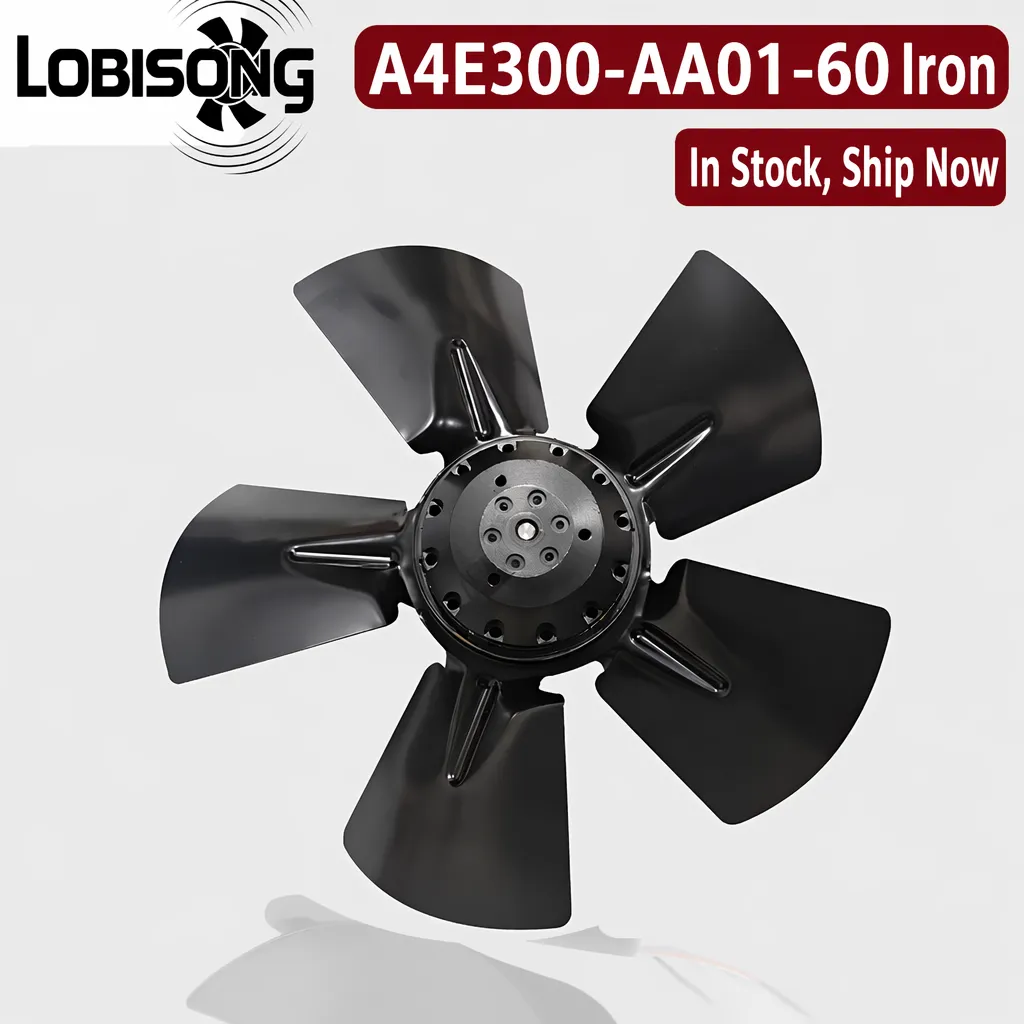
Textile finishing lines live or die on how evenly moisture leaves the cloth. A high pressure axial fan earns its place by pushing dense, directed air exactly where evaporation happens on a moving web. After padding, fabric holds far more water than one dryer pass removes, and small air-delivery differences surface as shading, cockling and rewets.
Padding squeezes finish liquor into the cloth, but the nip never leaves a level result. A high pressure axial fan mounted above the stenter lays a consistent air sheet across the full width as the cloth runs. Where a low-pressure unit stalls against cloth drag, the high-static-pressure model keeps airflow velocity up as the evaporative load climbs. Mills measuring exit moisture see the spread narrow once the bank stabilizes.textile drying fans, stenter frame air, moisture removal, industrial axial fan, fabric finishing
Laminar flow keeps the boundary layer thin, so water leaves the fiber surface instead of swirling above it. Steady airflow velocity drops the evaporative load predictably with line speed, letting operators hold a target residual moisture. Turbulent, patchy air wastes energy and leaves wet streaks. Static pressure lets air reach the fabric against the hot, humid blanket rising off the cloth.textile drying fans, stenter frame air, moisture removal, industrial axial fan, fabric finishing
Blades pitched for pressure trade some volume for the head needed to push air through ductwork and screens. RPM sets the operating point, and the right duty cycle keeps the motor efficient. A precision ball bearing and a pure-copper motor hold that point steady. Rated to EN 60529 IP54, the enclosure keeps moisture off the winding and extends life in a greasy hall. An unbalanced impeller wastes power and shortens the bearing, so suppliers should document the dynamic balance grade. Watch the duty cycle at high ambient humidity, where the motor runs hotter and the margin between rated and actual RPM narrows.textile drying fans, stenter frame air, moisture removal, industrial axial fan, fabric finishing
A high pressure axial fan bank above the tenter frame lets gravity and the rising thermal column help the air. Nozzles split the CFM so edge and center see equal velocity. Fabric tension keeps the web flat so air reaches the whole surface. A tuned gap gives the laminar sheet room to work.
One finishing mill saw this firsthand. The plant padded and dried on a continuous range, with steam cylinders pre-drying before the stenter. Exit moisture swung across the width and rewet spots forced downgrades. The team retrofitted a high pressure axial fan bank above the stenter to push consistent laminar air across the full width, paired with the steam section. The moisture spread tightened, rewets fell, and the cylinders ran at lower pressure. No new boiler was needed, and the hall met OSHA guidance on workplace humidity.
Steam cylinders dry from the inside out, conducting heat through the roll, while a high pressure axial fan dries from the surface and blows vapor away as it forms. Surface drying reacts faster to line-speed changes and avoids the thermal mass of a heated cylinder. On blends that mark easily, it lowers peak cloth temperature for the same moisture removal. The fan needs ducting and power but often trims total steam use.textile drying fans, stenter frame air, moisture removal, industrial axial fan, fabric finishing
Rewets form when vapor condenses back onto cold cloth near the exit. Strong, even airflow sweeps that vapor out before it returns. Stable fabric tension and a steady air sheet let the finish cure evenly and the shade stay level. Mills report fewer seconds from moisture variation once the drying wind is controlled. The gain is steady consistency buyers see on the inspection table.
Specifying the right high pressure axial fan starts with the evaporative load: grams of water per minute at target speed. That sets the CFM and the static pressure to push it across the cloth. Choose an enclosure rating that fits the hall; a finishing range sheds lint and mist, so IP54 earns its keep. Match the bearing and motor duty cycle to run hours, and confirm the RPM band covers the slowest and fastest cloth.
Thermal management is discipline. Check the impeller and screens weekly; packed lint shifts the curve and drops airflow velocity without warning. Log bearing noise and RPM drift each shift to catch a failure before it stops the line. Keep ambient humidity reasonable so the dryer is not fighting a saturated room. A falling CFM at fixed RPM signals a clogged screen or a tired motor; treat it as a process alarm, not a nuisance. Good thermal management also means keeping the stenter frame plenums sealed so the laminar flow is not leaked into the roof. Buyers moving to a vertically integrated maker note steadier low-noise operation and datasheet-matched parameters, which simplifies spare planning.
Drying wind is a controllable variable, not a mystery. A well-specified high pressure axial fan turns an uneven, steam-heavy range into a predictable finishing step, tightening the moisture profile and trimming energy without new boiler capacity. The work is in the details: static pressure matched to the cloth, laminar air across the full width, and a maintenance rhythm that keeps the impeller clean. Mills that treat drying air as engineered process air ship fewer rewets and steadier shade.
How does a high pressure axial fan dry textile fabric?
Answer: The fan forces laminar, high-velocity air across the moving cloth in a stenter frame, so surface moisture evaporates and the vapor is swept out of the chamber. Static pressure lets the air reach the fabric against the rising humid blanket. By matching CFM and RPM to the evaporative load, the dryer holds a steady residual moisture instead of leaving wet streaks and rewets behind.
Why use axial drying instead of steam cylinders?
Answer: Steam cylinders dry from the inside out and carry heavy thermal mass, while an axial unit dries from the surface and reacts faster to line-speed changes. Surface drying lowers peak cloth temperature on heat-sensitive blends and often reduces total steam use when paired with existing cylinders. The fan needs ducting and power, but it gives finer control of moisture removal and finish uniformity across the width.
What airflow velocity works for stenter drying?
Answer: The right airflow velocity depends on fabric weight, line speed and the evaporative load, but the goal is a thin laminar sheet that reaches the full width evenly. Too little lets vapor condense back as rewets; too much buffets the cloth and disturbs fabric tension. Mills tune the gap and RPM to the slowest and fastest cloth, then verify with exit-moisture scans rather than guesswork.
Which enclosure rating suits a finishing range?
Answer: A finishing range sheds lint, finish mist and grease, so an IP54 enclosure is a sensible baseline for the motor and bearing. Rated to EN 60529, IP54 keeps conductive moisture and dust off the winding and extends service life in a humid hall. Snap-on filter screens make weekly cleaning quick. Buyers should confirm the rating matches the actual location, not just the catalog photo.
How often should the fan and impeller be inspected?
Answer: Inspect the impeller and snap-on screens weekly, because packed lint quietly drops airflow velocity and shifts the performance curve. Log bearing noise and RPM drift each shift so a failing unit is caught before it stops the line. Keep the drying hall's ambient humidity in check so the fan is not fighting a saturated room. Steady upkeep protects both finish quality and thermal management.

2026/09/30
Cement cabinets choke on dust. Learn the filter rule for an industrial cabinet cooling fan: G4/F7 media, IP rating, and pre-filter care.

2026/10/07
Right wall-mount height for an industrial axial exhaust fan: room volume, free clearance, brackets, and recirculation control.

2026/10/08
An ec motor fan links to BMS via Modbus, 0-10V and PWM for demand-based cooling, energy scheduling and automatic sensor-driven speed control.

2026/10/06
A radial exhaust fan removes grease, fumes, and odors from food-processing workshops with capture velocity and hygienic washdown design.

2026/10/05
Learn antistatic treatment for industrial cabinet cooling fan in electronics workshops—ESD-safe housing, ionizable plastics, and cleanroom compatibility.

2026/10/04
Discover how a brushless dc servo delivers precise wind speed control for laboratory cooling fans with closed-loop PID feedback and laminar airflow.
